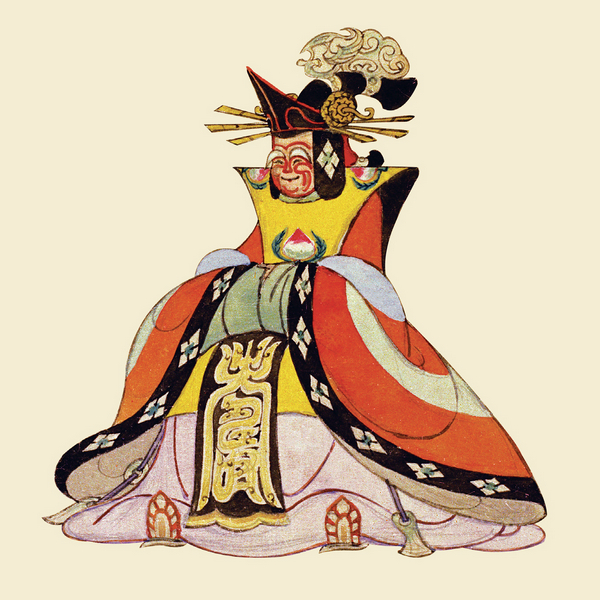
Jade Emperor
Introduction
The Jade Emperor, a key figure in Chinese mythology, is venerated as the ruler of Heaven and the Milky Way. His influence extends across the pantheon of Chinese deities, making him one of the most important figures in Taoist mythos. The origins and mythological tales surrounding the Jade Emperor highlight the deep-seated spiritual and cultural beliefs held by Chinese society.
Mythological Role
In Chinese mythology, the Jade Emperor is often depicted as the supreme deity who governs the celestial universe. He is revered as the ruler who oversees the operations of the universe and all beings within it. He is frequently depicted as a wise and fair ruler, embodying the virtues of benevolence and justice.
The Legend of the Chinese Zodiac
One of the most popular legends involving the Jade Emperor concerns the creation of the Chinese zodiac. It is said that he summoned various animals to participate in a race, the order of which would determine their position in the zodiac calendar. According to legend, the rat cleverly maneuvered to be the first to cross the finish line, thus securing the first position in the zodiac.
Role in the Qixi Festival
The Jade Emperor also features prominently in the Qixi Festival, often referred to as Chinese Valentine's Day. This festival celebrates the love story between the Weaver Girl, the Jade Emperor's youngest daughter, and a mortal cowherd. Their love was forbidden, leading to their separation by the Milky Way, only to be reunited once a year on the seventh day of the seventh lunar month.
Cultural Influence
The Jade Emperor’s influence extends beyond mythology into Chinese culture, where he is often referenced in literature, art, and folk customs. His image and mythology have inspired numerous literary works, reflecting his integral role in Chinese spiritual life. Temples dedicated to the Jade Emperor can be found throughout China, where he is worshipped as a protector and benefactor.








